

PLANTS, FLOWERS, AND MULCH: LEARN HOW TO SAY IT AND SUCH
As the God of Wine and Vegetation, Diane uses the plants for "Landscaping Purposes." In reality, they serve as both a way to grow their cult following and as a weapon of revolution to fight against climate change and societal standards.
For an in depth exploration of different plants terminology, origin, and pronunciation, please refer to the Annotated Glossary, which does include a section dedicated to it!

PERMACULTURE – Nature Inspired Designs
In essence, permaculture functions by copying how nature solves challenges. It’s a more traditional approach to gardening that prioritizes design and management systems that reflect naturally occurring ecosystems. It is criticized for its lack of methodology but is celebrated for its ability to allow life systems to reproduce themselves and provide for themselves, maximizing synergy in the environment. Permaculture is important because it creates resilient, regenerative systems that mimic nature to produce abundant food, conserve resources, reduce pollution, and build self-sufficient communities

Understand the process of Permaculture and the 12 Essentials.
Why Use Permaculture?
Permaculture designs create self-sustaining, regenerative ecosystems mimicking nature for long-term productivity, focusing on function, food, and minimal input, while traditional landscape design often prioritizes immediate aesthetics and recreational use with higher ongoing maintenance (fertilizers, water).

Permaculture integrates elements like food forests, water harvesting, and soil building, aiming for closed-loop systems, whereas traditional landscaping might use ornamental lawns or non-native plants, potentially creating ecological deserts The key is shifting from purely aesthetic design to nature-based solutions that build climate resilience and reduce our carbon footprint.
Climate Change –
Don't Infuriate the Gods
Climate change is the long-term alteration of Earth’s temperature, weather patterns, and ecosystems, largely driven today by human activities that release heat-trapping gases into the atmosphere. These changes lead to rising global temperatures, stronger storms, droughts, sea-level rise, and disruptions to natural and human systems.
causes and effects
01.
More extreme weather in summer (heat waves) and winters (cold snaps).
02.
Poor air quality from wildfire smoke and pollution makes it harder to breathe and allergies stronger.
03.
Storms are more consistent, stronger, and unpredictable.
01.
Burning fossil fuels (coal, oil, and natural gas) for electricity, transportation, and industry.
02.
Deforestation and land clearing, which reduces the planet’s ability to absorb carbon dioxide.
03.
Industrial processes and manufacturing.
04.
Agriculture, especially livestock (methane emissions) and fertilizer use (nitrous oxide).
05.
Waste in landfills releasing methane, which kills carbon dioxide.
06.
Overconsumption of energy and natural resources.
04.
Droughts, floods, and heat damage fields which leads to shortages and higher prices for crops.
05.
Heavier rain causes more frequent street and basement flooding. Some areas face water shortages because of droughts.
06.
Flooding, hurricanes, and wildfires make homes riskier to insure, making prices rise.
What can be done to stop or slow climate change?
Switch to renewable energy like solar, wind, and hydro power.
Use less energy and improve efficiency in buildings, vehicles, and appliances.
Protect and restore forests, wetlands, and oceans.
Transition to cleaner transportation (electric vehicles, public transit, biking).
Reduce waste, reuse materials, and recycle.
Eat more plant-based foods and reduce food waste.
Support policies and leaders that promote climate action.
Invest in green technology and sustainable industries.
 Hydrangeas prefer summer/fall weather, are allergy friendly, and can symbolize gratitude. Based on color, they carry different meanings: vanity (white), regret (blue), or deep understanding (purple). They can personify someone thoughtful, generous, and resilient. |  Pansies have heart-shaped leaves, popular for spring/fall, offer edible flowers with mild, minty flavor, and are used in traditional remedies. The name is French and means “to think.” nsies embody a personality of thoughtfulness, remembrance, and cheerful constancy, and resilience. | 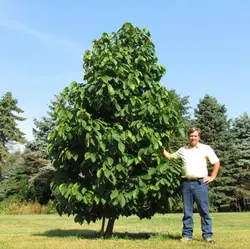 Paw Paw trees are known for its large, edible, tropical-tasting fruit, distinctively large drooping leaves with a peppery scent, and unique, deep-purple, carrion-like flowers. They are known for being a resilient and an underdog. |
|---|---|---|
 Bee balm's "personality" is vibrant, sociable, and a bit wild. They have a tendency to spread energetically, embodying qualities of passion and vitality. It's a plant that demands attention, brings life to a garden, offers herbal remedies, and represents resilience and connection to nature's rhythms. They are sociable and generous. |  The "personality" of Hawkweed varies from being seen as a cheerful, resilient wildflower in folklore and flower essences (symbolizing vision, purpose, and overcoming despair) to an aggressive, invasive weed in ecology, known for rapidly dominating landscapes with its tenacious reproduction, hence names like "devil" hawkweed. |
Personalities of Plants and Flowers
 Bladderwort flowers have a personality of being sophisticated and opportunistic. They have traps that snap shut in milliseconds to catch small prey like water fleas, but also nurture algae within their traps, making them more like miniature ecosystems than simple predators, symbolizing resilience and biodiversity in nature. Are known for being very adaptable. |  Nettles appear to be harsh but offer deep healing, symbolizing transformation, protection, boundaries, and hidden strength, often misunderstood until its inner value (which is a medicine) is revealed through heat or care, reflecting a journey from prickliness to nourishment and vitality. Its sting wards off negative energy, evil spirits, and protects against fairy mischief in folklore. |  Sorrel plants symbolize Parental Affection (garden sorrel) or Joy/Innocence (wood sorrel), and resilience, early emergence, and a tangy flavor, though some varieties can be seen as a "weed" due to their prolific nature, representing a mix of welcome strength and challenging persistence. Wood sorrel, in particular, embodies ill-timed, humility, or a cautious person. The garden sorrel represents a bold and assertive character. |
|---|---|---|
 Lupine flowers embody a "personality" of resilience, imagination, and inner strength for healing and new opportunities. The flower is often associated with a "soul of a dreamer" and creative imagination, encouraging a positive outlook to discover new possibilities. When given as a gift, lupines convey a message of having the inner strength needed to recover from trauma or overcome challenges. |  Strong ecological role in prairie ecosystems. It has a tough and self-reliant "personality," thriving in challenging conditions and providing a dynamic visual presence with its striking seasonal color changes. Bluestem generally "plays nice" with other perennials and shrubs, blending in to complement its neighbors. However, some varieties of Big Bluestem can be aggressive and may overwhelm small landscapes if not properly managed. |